

Have you ever been impacted by a natural disaster? Your initial thought may be no. Your home was never destroyed, you didn’t evacuate, you weren’t directly in harm’s way. But impact isn’t always so absolute.
Maybe it was a loved one’s home, a child’s school, a business you frequented or the roads you rely on to reach these places? At some point in your life, chances are one of these have been affected. When that happens, communities are disrupted, businesses close temporarily – or sometimes even permanently – and recovery comes at a cost.
While some structures can be saved, doing so is often expensive. Over the last five years alone, the United States has experienced an average of 18 billion-dollar climate disasters each year.
In the Southeast, these events are not anomalies, but rather realities. We can’t stop disasters, but we can prepare for when they arrive, and this is why it is crucial to design with resilience in mind.
Resilience is not an update, but a baseline
Resilient design acknowledges the simple reality that we can’t control when disasters occur, but we can control how well-prepared we are. We shift our focus from how we can prevent damage, to how we can protect people and recover quickly when the damage occurs.
It is not about eliminating risk entirely, but instead minimizing disruption, protecting essential functions and accelerating recovery.
Why local expertise makes the difference
For Southeast based firm Goodwyn Mills Cawood (GMC), it’s personal.
With offices located in Alabama, Florida, Georgia, Louisiana, North Carolina, South Carolina and Tennessee, GMC and their communities are in the midst of natural disasters year-round.
Based on data collected over the last 15 years, six out of seven of these states fall in the top 10 lists of disaster impact, ranging from hurricanes to tornadoes to floods. Alabama and Florida continuously stay at the top of each category, with Louisiana, Georgia and the Carolinas falling victim to hurricane season each year.
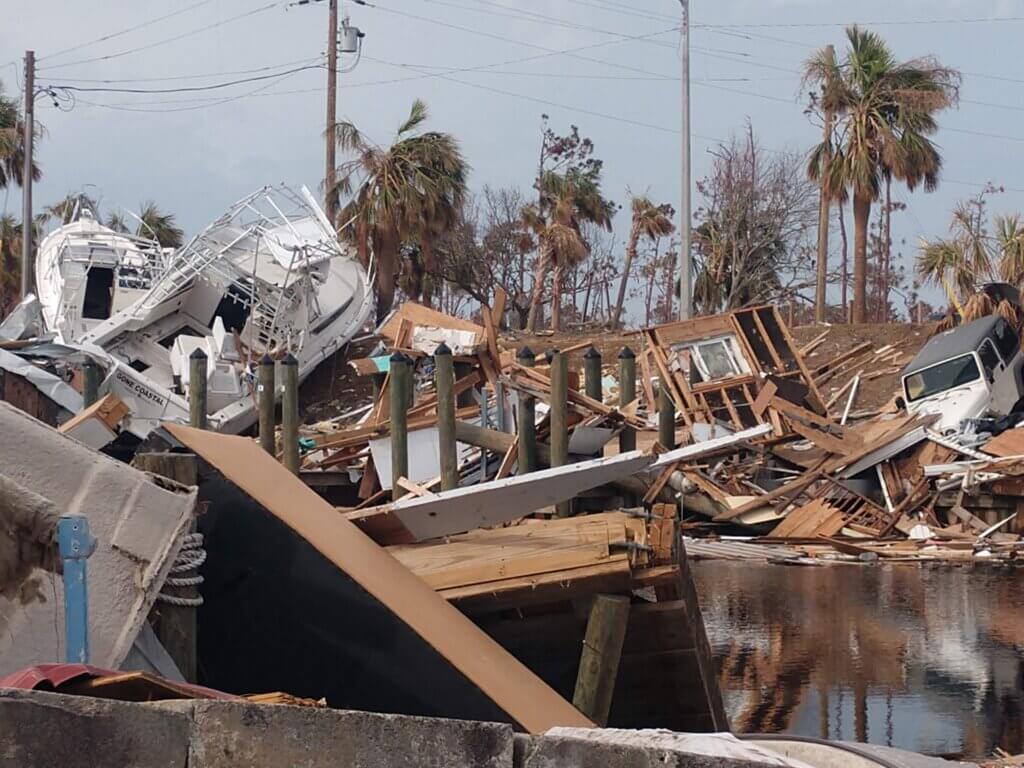
One of the country’s more recent disasters was the 2024 tropical cyclone, Hurricane Helene, deemed the third-deadliest hurricane of the modern era. The storm tore through the Carolinas, Florida, Tennessee and Georgia, leaving devastation in its path and uncertainty and worry amongst its residents.
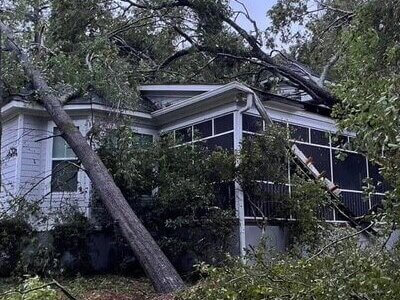
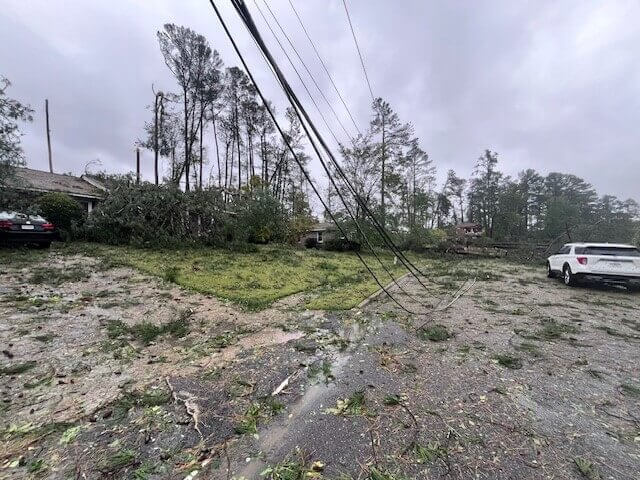
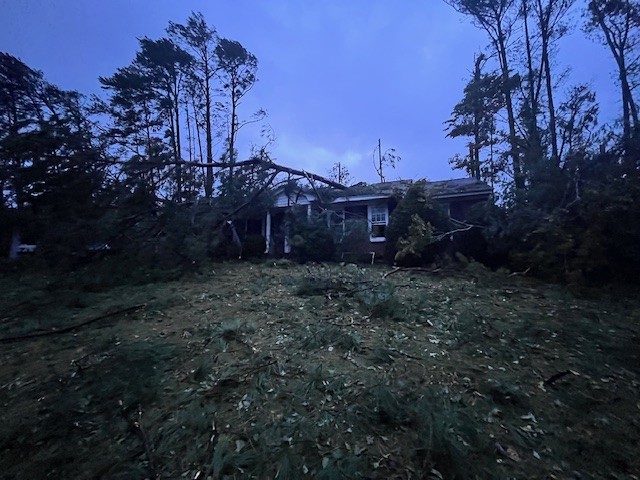
“There were trees down everywhere. There were no traffic lights and billboards were scattered on the ground. The city looked bleak, and the skyline had completely changed overnight,” GMC Augusta Office Leader Rhonda Davis recounted after driving around that day. “We began hearing from those in our office who had been severely impacted by the storm and even a few needing temporary housing due to the damages. We were thankful to learn that even though the damage was extensive, our co-workers and their families were safe.”
Right away, Rhonda called friend and GMC Disaster Recovery Leader Robert Ramsey. He dropped everything and was in Augusta within 24 hours to help figure out how to begin picking up the pieces. “It felt good to tell our city leaders that we have someone who can help,” said Rhonda. “Robert didn’t hesitate; the DR team was prepared, and they knew what to do.”
That response illustrates that resilience is not just about engineering. It is about readiness, relationships and an understanding of the unique risks that the communities you live and work in face.
What resilient design looks like in practice
Resilience is often defined as the ability to adapt to changing conditions and withstand and recover from disruptions due to disasters. But at its core, resilience is about performance.
Every community system, whether it’s a roadway, school, utility, public building, shoreline or water system, operates at a certain level of service. Then a storm, flood or other extreme event occurs. Service drops, facilities may close, infrastructure may be damaged, but over time, repairs are made and systems recover.
In a conventional system, that drop in performance can be severe and recovery can take months or years. In a resilient system, the drop is smaller and the recovery is faster.
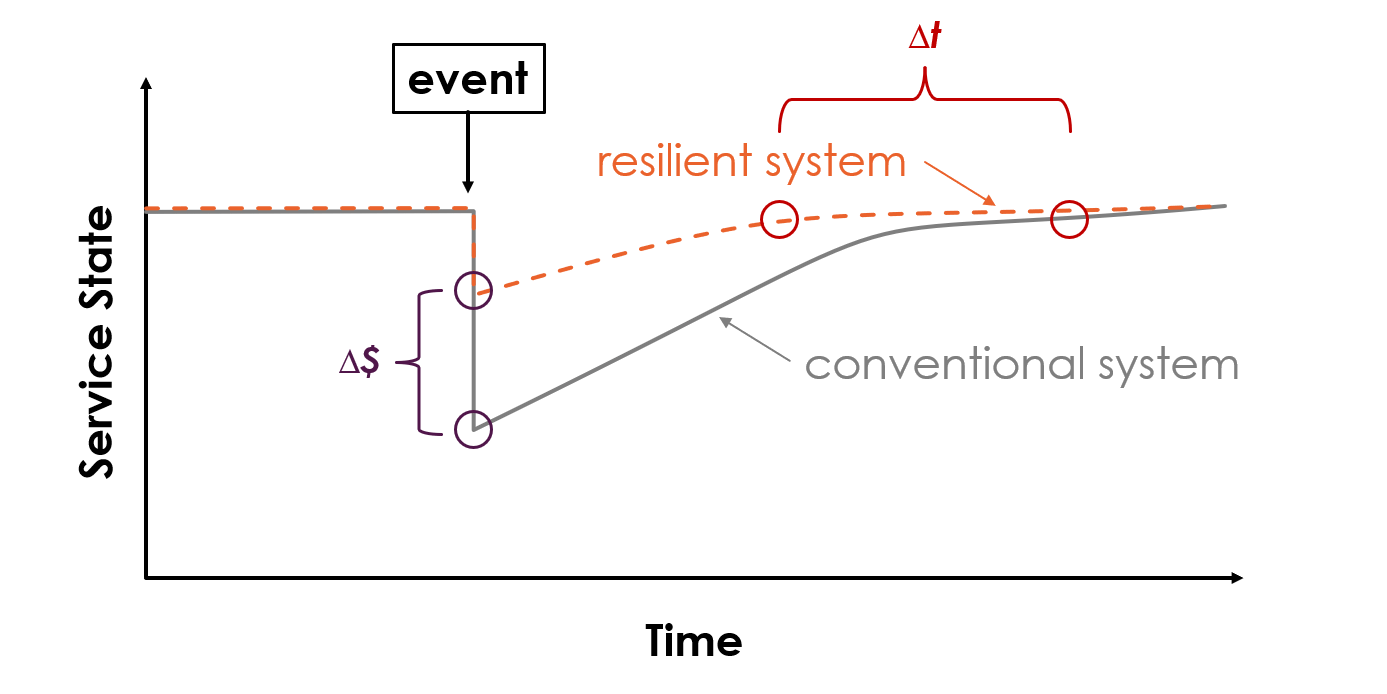
“When a disaster strikes, you don’t want to build back to how you were before,” GMC Coastal Engineer Bret Webb. “You want to build back better and stronger so that less damage occurs in the future.”
In its most basic form, resilience has four concepts – anticipate, resist, recover and adapt. But in the Southeast, where hurricanes, floods and tornadoes are a matter of when, not if, these concepts become reality.
Anticipate
Flooding is the most common and costly hazard affecting communities, and it’s also one of the most predictable. Unlike earthquakes or tornadoes, we often know days in advance when coastal or precipitation-driven flooding is coming.
For architects, this may mean designing facilities that can shelter communities safely. For engineers, it may mean strengthening infrastructure systems. For environmental professionals, it may involve nature-based solutions that reduce risk while preserving ecosystems. For disaster recovery teams, it means mitigation planning that positions communities for faster funding and reimbursement when events occur.
“It’s also a financial strategy,” explains Webb. “Studies consistently show that every dollar invested in mitigation before a disaster can save four to five dollars in recovery costs afterward. The longer communities delay adaptation, the more expensive it becomes. Materials cost more, development expands and there is simply more infrastructure at risk.” In this environment, resilience is no longer optional.
Resist
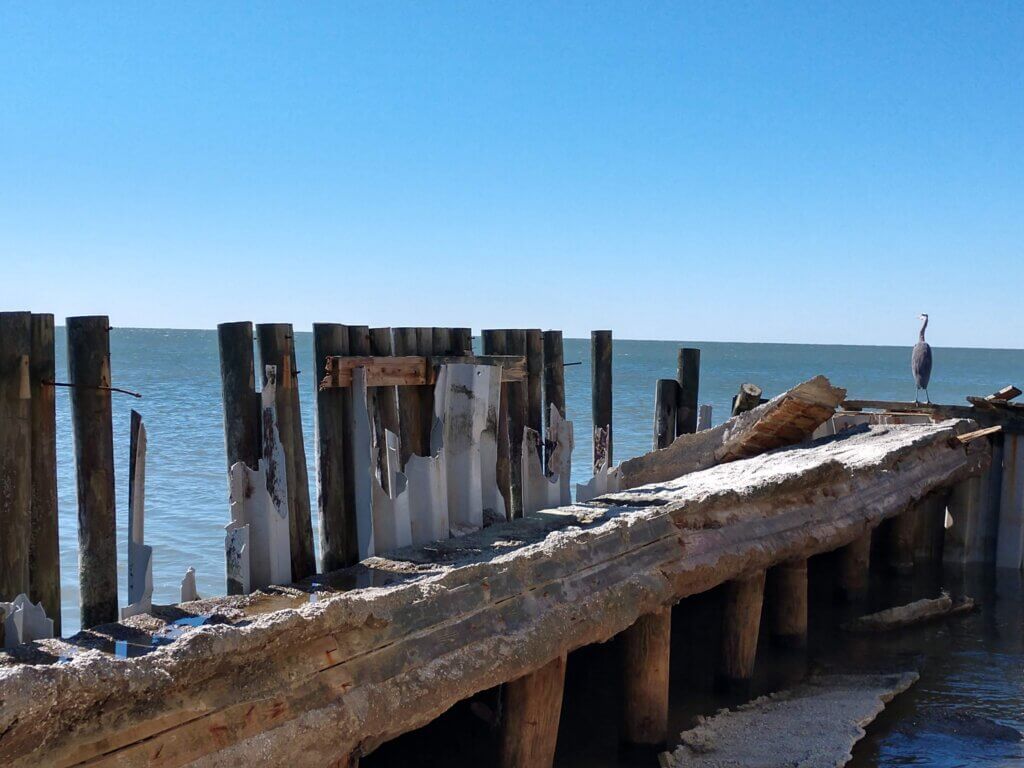
Resisting means reducing the severity of damage when the event happens. This may involve strengthening structural systems, elevating critical equipment, reinforcing utilities, designing facilities to remain operational during extreme events or strategically relocating vulnerable infrastructure. In some cases, resistance means strengthening in place. In others, it means retreating from high-risk areas.
Across GMC disciplines, the goal is the same: when the hazard strikes, the system continues functioning, or at least avoids catastrophic failure. A resilient design does not eliminate risk entirely. Instead, it minimizes the drop in performance and protects the people and services that communities depend on most.
Recover
Recovery is measured in time. How long are essential services disrupted? How quickly can schools reopen? When do businesses resume operations? How soon does normalcy return?
In resilient systems, recovery happens quicker because the damage was reduced initially. Planning ahead also streamlines access to funding mechanisms such as FEMA programs and federal infrastructure grants.
Recovery periods also present opportunity. Federal disaster declarations often unlock funding that communities would not otherwise have access to.
Adapt
Adaptation acknowledges uncertainty. Future climate conditions, sea level projections and development patterns will continue to evolve. Infrastructure built today must perform for decades under changing conditions.
“Many resilience strategies are designed to buy time, extending service life by 30 to 50 years while long-term solutions mature,” explains Webb. “These adaptations may include elevating structures, increasing redundancy, incorporating flexible design elements or integrating natural systems that evolve alongside the built environment.”
Adaptation also means recognizing that resilience is not one-size-fits-all. Each asset has different levels of exposure, sensitivity and capacity to recover. Effective resilience planning considers all three.
The future is built on resilience
Resilience isn’t about avoiding disaster. It’s about ensuring your community can withstand, recover and adapt.
Communities can no longer afford to treat it as an enhancement layered onto projects late in the design process, it must be embedded from the beginning.
The question is no longer whether disaster will strike, it’s whether our communities will be ready when they do.