By Scott L. Douglass, PhD, PE, BC.CE
Americans love beaches. From the Jersey Shore to Santa Monica Bay, sandy beaches are part of the fabric of society. Millions want to live near the beach, and millions more want to vacation at the beach. Yet, many beaches are eroding due to both natural processes and human impacts. And beaches are facing new threats, including a changing climate, with sea levels rising at higher rates, and with coastal storms changing. All this will lead to more beach erosion problems.
Many different solutions have been proposed. The best way to avoid a problem with erosion is by “backing off” the beach. Building back away from the water behind a “setback” allows the beach to come and go without erosion becoming a problem. However, the temptations of building close to the sea have been too great for many of America’s most popular beach resorts and coastal towns. We’ve already decided to live and to play on barrier islands and coastal bluffs. We’ve already built houses and condominiums there. It is now only a matter of how we are going to live there. Coastal retreat as policy is “backing off.” However, it has proven to be extremely difficult to retreat because of legal issues and costs. So other solutions are needed for the survival of healthy beaches. This book sheds light on two critically important issues related to how we live there: first, the cause of much historic beach erosion, and, second, the debate about beach nourishment as a solution.
One truth about beach erosion in this country is that much of it is caused by humans! We’ve destroyed our own beaches. There are plenty of natural reasons for beaches to erode. Indeed, the very nature of the coast as we love it is shaped by natural erosional forces. But most of the worst problems are not natural. An awful lot of beach erosion has been caused by engineering works like ship channels; coastal structures including seawalls, jetties, and groins; dams and flood control works on the rivers of the West Coast; and mining of beach sand. For example, millions of cubic yards of beach sands have been dredged from boat and ship channels but have not been placed back on the beaches from which the sands came. Sometimes, the beach sands are dumped in deepwater offshore — lost to the beaches forever. This starves the downdrift beaches of the sand that is their very lifeblood. Blocking and intercepting sand moving along and to the shoreline has caused terrible beach erosion in this country.
We have solutions to beach erosion that work. One such solution is restoring the natural movement of sand along and to our beaches. For example, dredged sand can be artificially “bypassed” around the ship channels to the downdrift beaches. We have done a better job of bypassing sand in the past several decades, but there are still places with only partial bypassing. The downdrift beaches are still eroding.
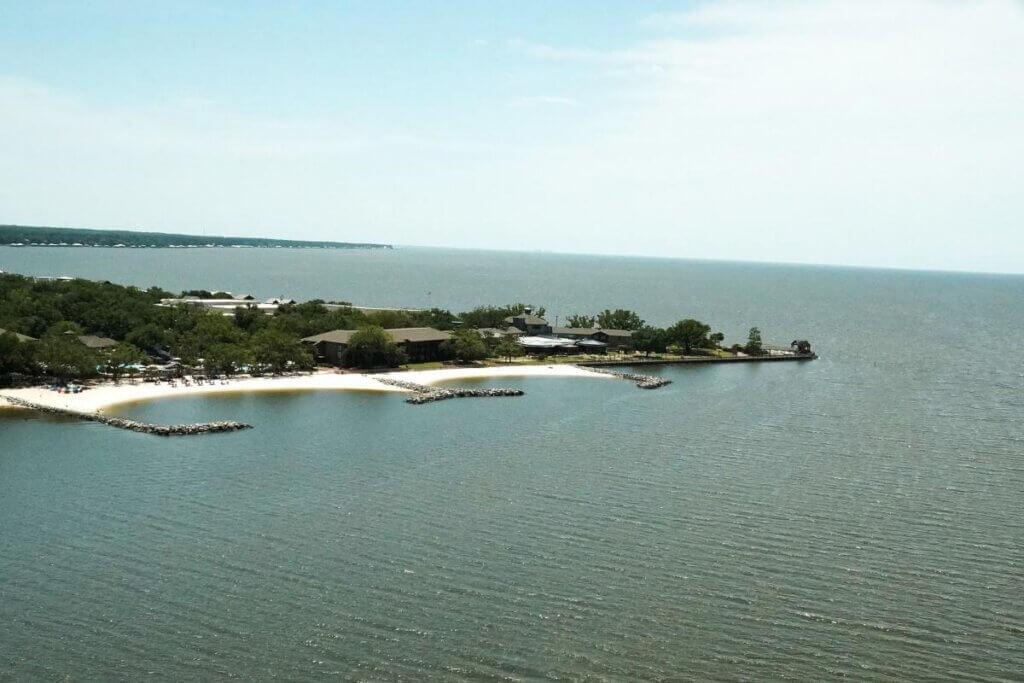
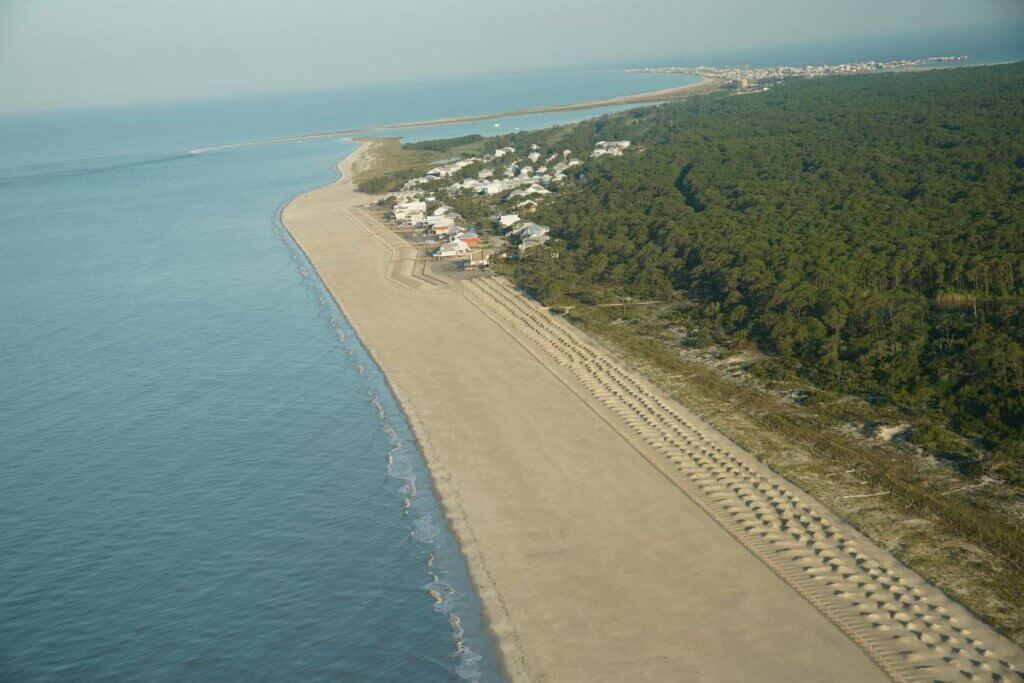
A second solution is beach nourishment, the direct placement of large amounts of good-quality sand on the beach to widen the beach. It is also called beach restoration or beach replenishment. Beach nourishment is criticized as unnatural, expensive, and ultimately futile because it washes away. Critics argue that beach nourishment will not be sustainable as climate change drives accelerated sea level rise and increases coastal storms. It is also argued that our easy and cheap supplies of sand for nourishment are running out. Beach nourishment has even been called “the fleecing of America.”
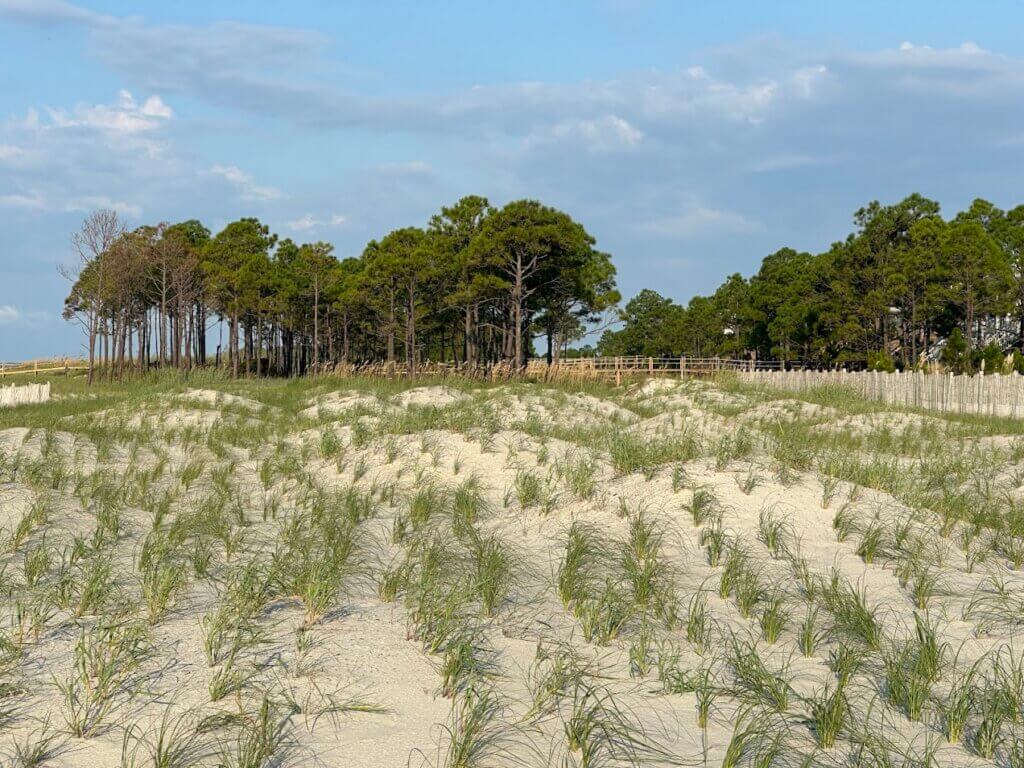
But beach nourishment has actually worked very well! Hundreds of miles of America’s beaches, including many of our most popular beaches, have been saved by beach nourishment. Beach communities that have started on the beach nourishment journey in earnest have much wider beaches today.
This book examines the criticisms and concludes that beach nourishment:
• Is more natural than the most common realistic alternative of a seawall
• Is not expensive when compared to the value of the beach
• Really doesn’t wash away when done correctly except to wash down the coast to feed other beaches
• Will be able to keep up with the projections for sea level rise this century, including coastal storm changes.
On many beaches, nourishment has replaced the sand removed by other human impacts. It is often the best of the available approaches to saving beaches.
We have plenty of experience with other approaches to beach erosion that do not save sandy beaches. We have centuries of experience with seawalls of many types that protect upland property but do not save the sandy beach. “Armoring” an eroding beach or bluff with a seawall may save a building, or a road, but it can destroy the sandy beach we love. We also have plenty of experience with different forms of so-called “experimental” or “innovative” solutions. Many of these might as well be called “snake-oil” since they really aren’t based on sound science and a proven track record but rather on slick sales pitches to desperate consumers. Often, these “experiments” are a distraction for those seeking good solutions.
Some proposed public policy solutions are aimed at discouraging coastal development by raising flood insurance premiums, stopping public funding for roads and other coastal infrastructure, and stopping mortgage lending near the beach. While such policies may be appropriate, they seem to ignore several facts: one, many of our beach erosion problems have been caused by poor sand management; two, alternative engineering solutions, such as sand bypassing and beach nourishment work and can accomplish many of the same goals; and three, the sandy beach has tremendous value to our society. Such policies are not going to help the sand-starved beaches, and they may needlessly make it harder for millions of Americans to enjoy sandy beaches.
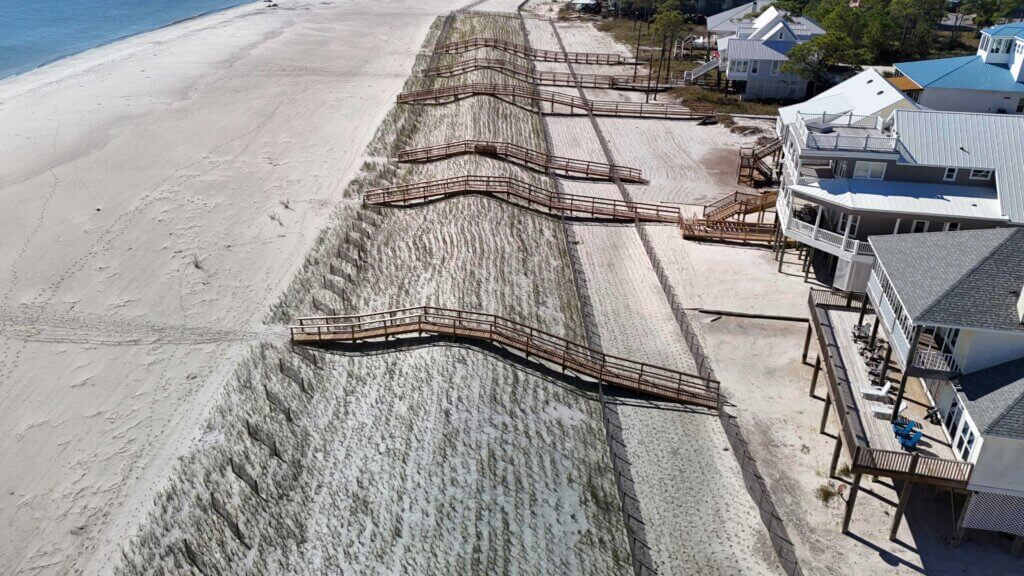
Good policy is based on the will of an informed public. America should make future beach policy choices based upon a clear understanding of the causes of and solutions to beach erosion.
This book describes how beaches work: where the sand comes from, how waves are formed and how they break, how waves move sand down the coast, how we have interrupted this movement, how rising sea levels influence beaches, and what needs to be done to save our beaches for future generations of Americans.
When the first edition of this book was published 25 years ago, there was an open question about the wisdom of beach nourishment. For many of us, that argument is over. Hundreds of miles of American beaches have been saved by nourishment since then. The first edition of this book pointed out that engineering works have removed over a billion cubic yards of sand from our beaches. This edition points out that we have now nourished our beaches with well over a billion cubic yards of sand. So, for the first time in American history, we have put more sand on our beaches than we have removed! Many of our beaches are healthier than ever because of beach nourishment. Essentially, the past 50 years of engineered beach nourishment projects have restored the beach sand deficit, along some portions of our coast, that we created ourselves with engineering measures that removed the sand. That period can be thought of as a “catch-up” period for the previous 150 years of sand removals. We are now entering more of a “maintenance” period for our beaches’ health.
We now know much more about sea level rise than we did 25 years ago. Most Americans, at least those who live near the coast, understand that the sea is slowly rising. It is now clear to the scientific and engineering community that the rate of sea level rise is beginning to increase in response to climate change. We also have experienced terrible loss of life and property from storms that struck major cities in the past 25 years. Hurricanes Sandy and Katrina were the worst, but there were over a dozen other major storms that impacted our beaches and coastal infrastructure. There are still many questions about the long-term wisdom of living along the coast and the best ways to save our beaches. This book addresses some of those questions and concludes with a prescription for saving America’s beaches that is more important than ever. If you love waves and beaches, and you care about the future of your favorite spot, then read this book while you enjoy the beach!
Want to keep reading? Get your copy here!
About the author
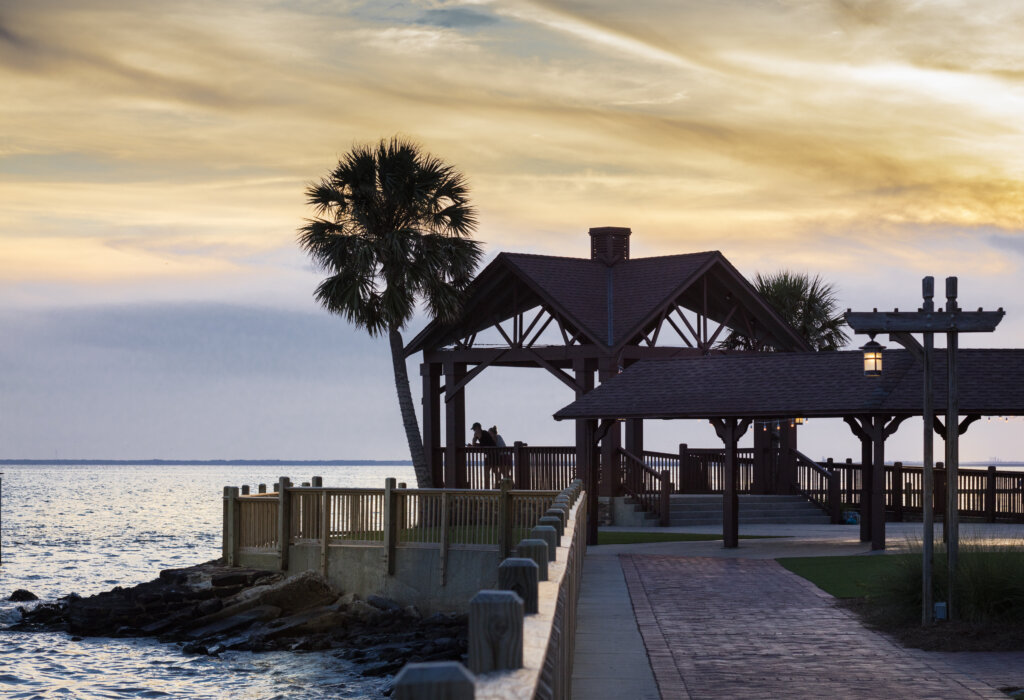
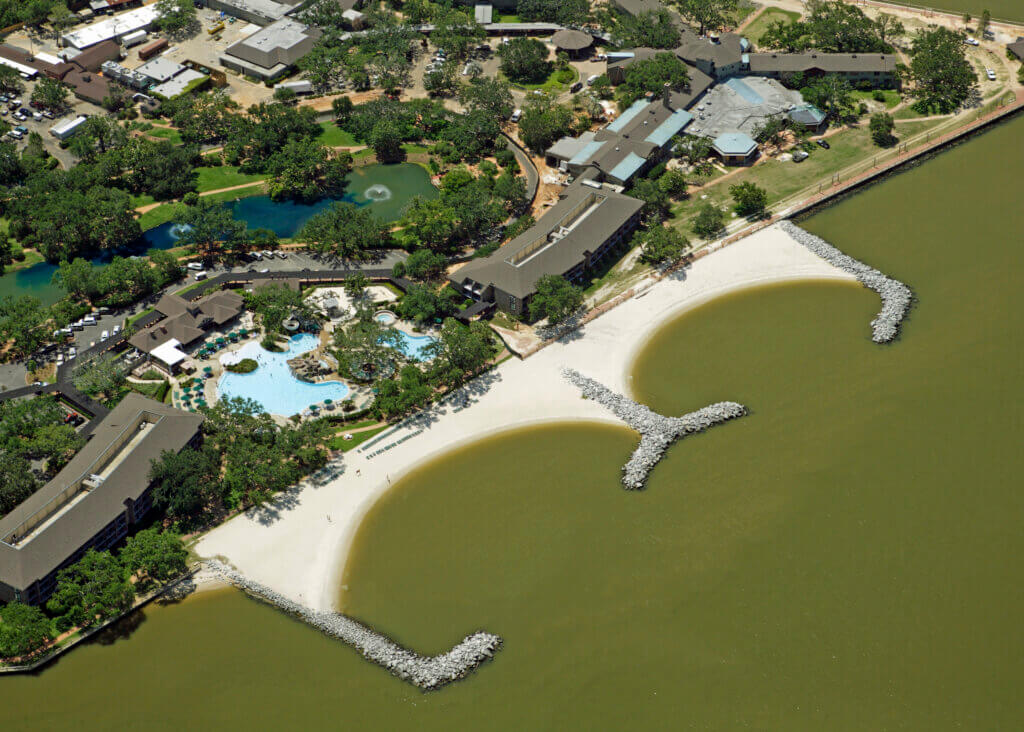
In addition to being Vice President of Coastal Engineering at Goodwyn Mills Cawood (GMC), Scott has authored multiple generations of primary guidance documents on coastal highway and bridge planning and design for the U.S. Department of Transportation’s Federal Highway Administration. His work includes the design of major beach nourishment projects and the pioneering development of bay beach nourishment techniques using breakwaters to achieve permanent shoreline stabilization — most notably the pocket beaches at Marriott’s Grand Hotel Resort and Spa in Point Clear, Alabama. His innovative beach and marsh restoration designs have received national awards for engineering excellence and environmental conservation. As an expert witness, he has contributed to high-profile legal cases involving coastal science, engineering, and policy, including proceedings before the Supreme Court of the United States.