

Credits from the Wheeler-Wallace Mitigation Bank in Humphreys County, Tennessee, are now available for purchase, supporting responsible development while helping protect and restore natural resources within the Lower Duck River Watershed.
Strategically located to serve Middle Tennessee, the bank offers compensatory stream mitigation credits to help permittees meet requirements associated with Aquatic Resource Alteration Permits (ARAP) and Section 404 permits.
What Is a Mitigation Bank?
A mitigation bank is an area of land where streams, wetlands or other ecological resources are restored, enhanced or protected to offset unavoidable impacts from development projects elsewhere.
Under Section 404 of the Clean Water Act, the U.S. Army Corps of Engineers (USACE) regulates the discharge of dredged or fill material into certain waters and wetlands in Tennessee. When a project impacts these resources and compensatory mitigation is required, permittees may be able to purchase credits from an approved mitigation bank to meet their requirements.
Wheeler-Wallace Mitigation Bank
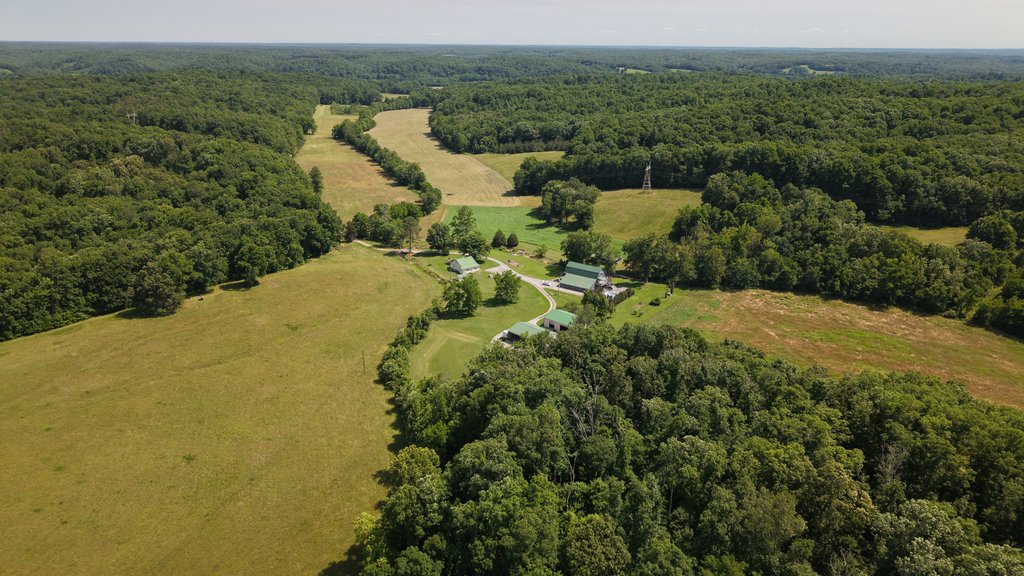
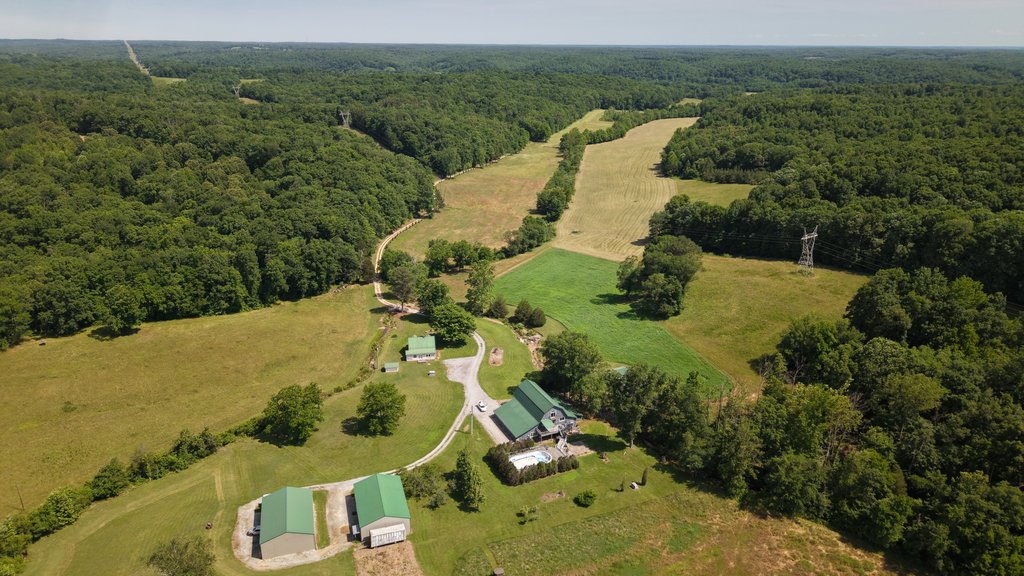
The Wheeler-Wallace Mitigation Bank encompasses approximately 88.5 acres within a larger 384-acre property.
The Lower Duck River Watershed will serve as the bank’s primary service area for permits. Secondary service areas include the Upper Duck River Watershed (HUC 06040003) and the Kentucky Lake Watershed (HUC 06040005), both within the Lower Tennessee River Basin.
GMC’s environmental team evaluated more than 13,000 linear feet of streams and supporting riparian habitats to document existing conditions and identify restoration opportunities within the bank site.
The team focused on restoring impaired stream systems and improving aquatic and riparian function through natural channel design, stream rehabilitation, riparian buffer restoration and enhancement, removal of impoundments and barriers, floodplain reconnection and native vegetation establishment.
Permitting and Credit Availability
The bank recently received its individual Aquatic Resource Alteration Permit (ARAP) from the Tennessee Department of Environment and Conservation (TDEC) and has been authorized to begin construction. Additionally, a recorded conservation easement is now in place, providing long-term protection for the site.
The mitigation plan is expected to generate approximately 5,143 stream mitigation credits using the Tennessee Stream Quantification Tool (TN SQT) methodology. The first round of credits has been released, with additional credits expected to become available in future phases.
GMC’s environmental team brings together technical and regulatory expertise to help projects like Wheeler-Wallace Mitigation Bank meet requirements while protecting valuable natural resources for the long term.
Interested in Purchasing Credits?
Contact jof.mehaffey@gmcnetwork.com or jessie.wheeler@gmcnetwork.com to learn more about available credits and how they may help meet your project’s compensatory mitigation requirements.