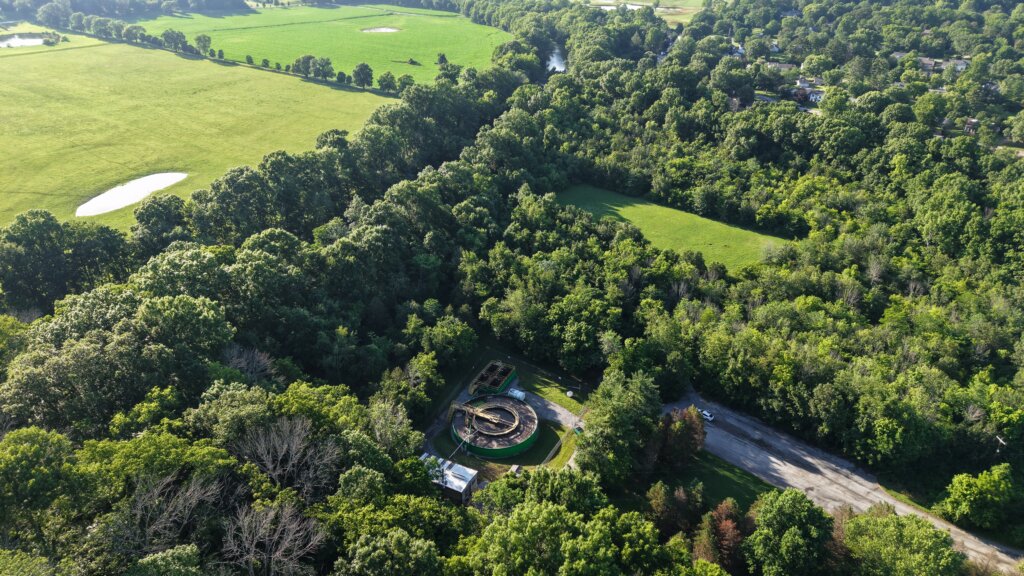
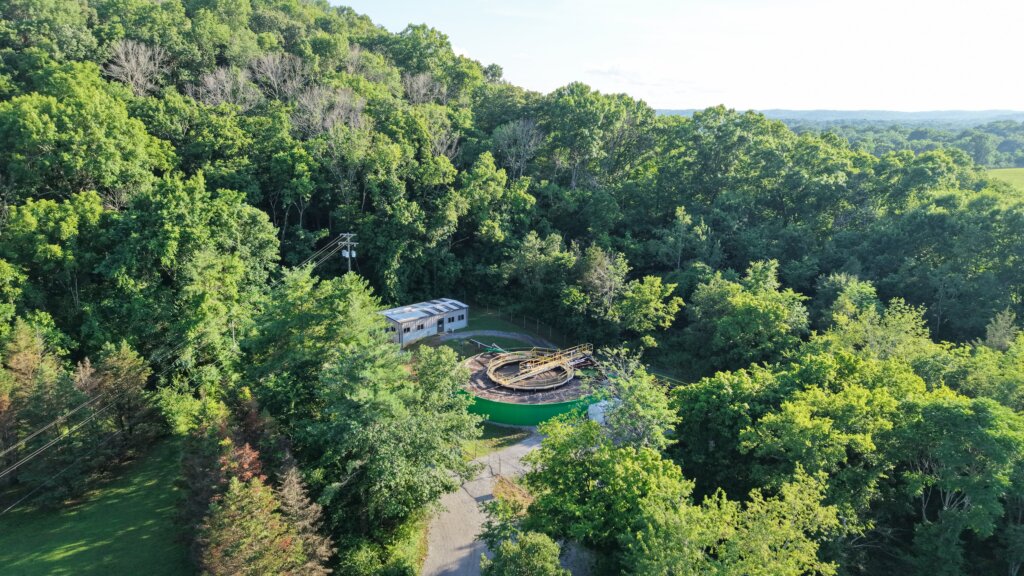
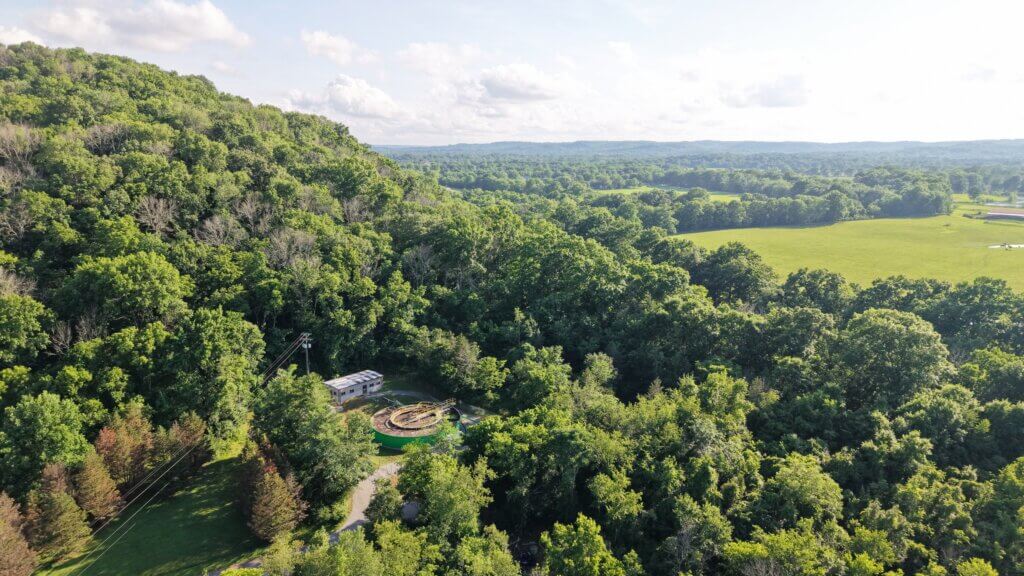
A project designed to replace aging wastewater infrastructure in Franklin, Tennessee is introducing one of the most advanced biological treatment technologies available today.
The new Grassland Sewage Treatment Plant (STP) will be the first facility in Tennessee – and one of the first in the U.S. – to implement Aerobic Granular Sludge (AGS) technology. This technology may influence the future of how communities treat their wastewater.
Goodwyn Mills Cawood (GMC) is an innovative leader in treatment technologies such as AGS, having designed three of the AGS facilities in the U.S. to date – including the Riviera Wastewater Treatment Facility in Foley, Alabama; the Pendleton-Clemson Wastewater Treatment Plant in Pendleton, South Carolina; and now the Grassland STP.
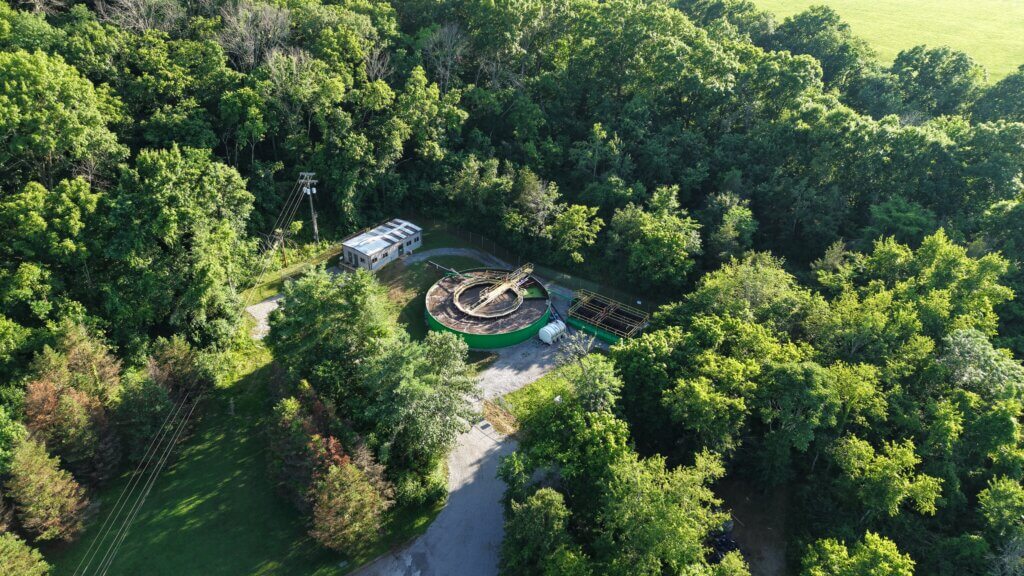
A new era for Grassland
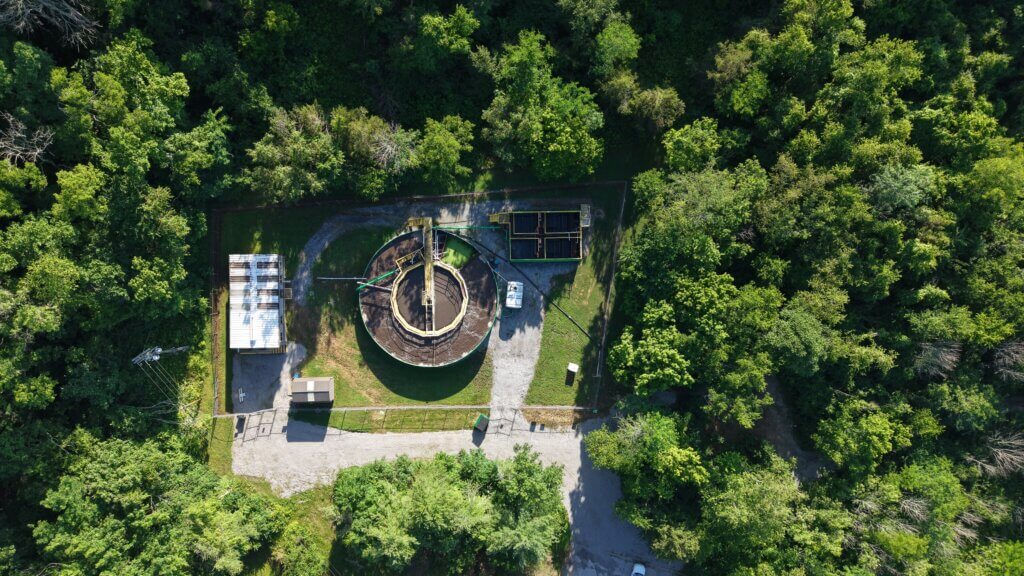
The Grassland STP has historically struggled to meet permit requirements due to its aging and undersized components. Owned by the Limestone Water Utility Operating Company (a private utility known nationally as Central States Water Resources), the plant requires a complete overhaul to adequately serve the community.
Limestone Water engaged GMC to study, design and obtain permitting for construction of the new plant. After GMC evaluated multiple treatment options and provided recommendation, Limestone Water selected the Granite AGS™ system by Parkson Corporation, specifically for its efficiency, cost-effectiveness and operational similarity to other Central States facilities.
What is Aerobic Granular Sludge?
The AGS process is an intensified form of SBR (sequencing batch reactor), which is a conventional biological treatment process. AGS is composed of naturally-formed, dense sludge granules that perform biological nutrient removal to reduce nitrogen and phosphorus in sewage through aerobic, anoxic and anaerobic zones – all within each granule. Because granular sludge settles faster than conventional activated sludge, treatment cycles are shortened and required footprint is reduced, making the treatment process more efficient and sustainable.
This upgrade addresses the plant’s limited capacity and failing components for the purpose of protecting the Harpeth River, which is highly valued and presently on the 303(d) List of Impaired Water Bodies. The treatment capacity will be expanded from 0.25 MGD to 0.45 MGD to address current influent flows at the plant, strengthening its ability to protect the surrounding environment.
Comprehensive expertise
GMC’s water and wastewater engineering team has led the study, design and permitting for the project, supported by GMC’s civil and geotechnical engineering, environmental and architecture teams. The engineering team will facilitate bidding, construction administration, inspection and startup services to guide the project from conception to completion, helping this state-of-the-art facility serve the Grassland community for years to come.
Construction on the project is expected to begin in late Summer 2026, and will be complete by Spring 2028.