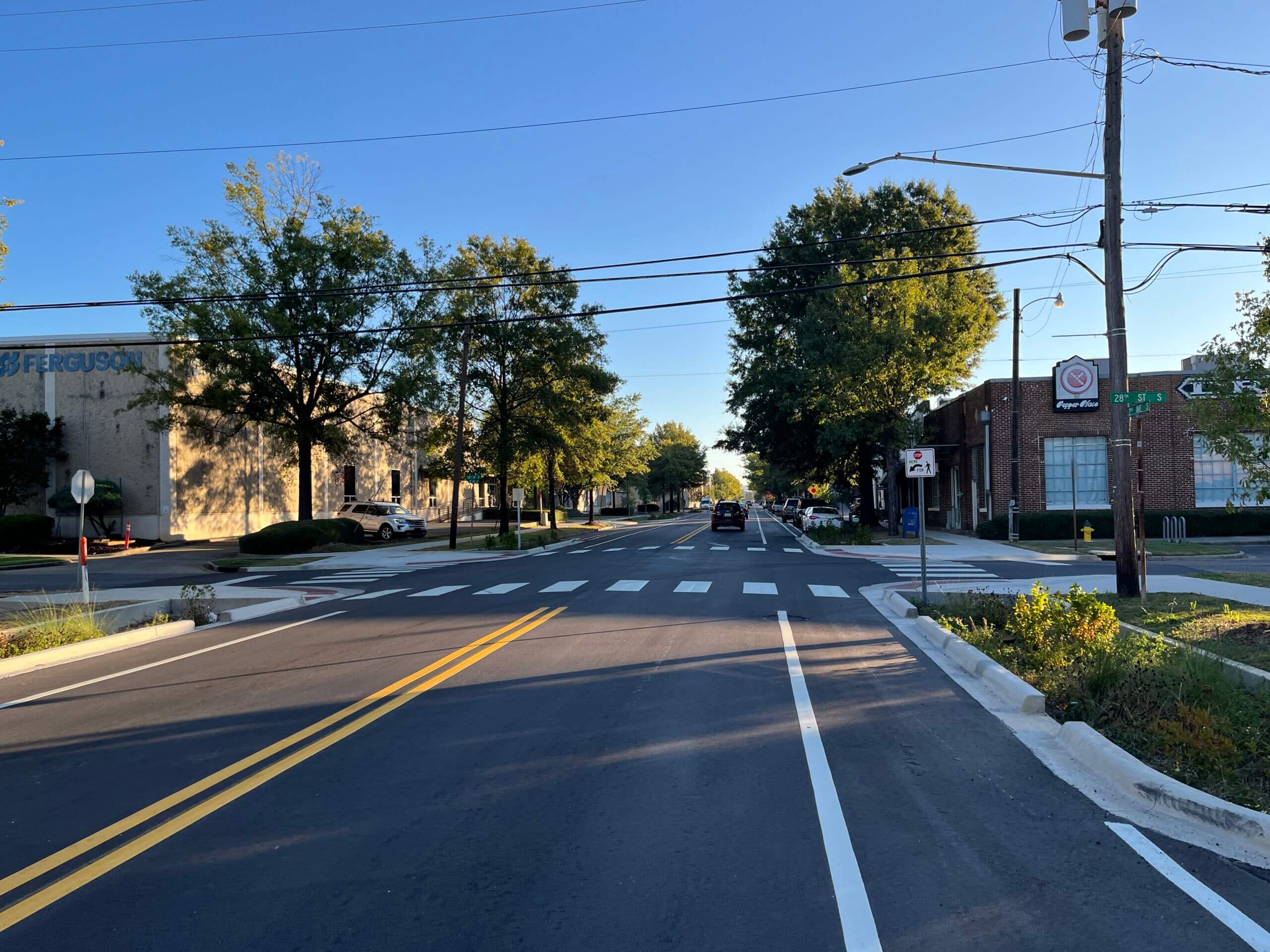
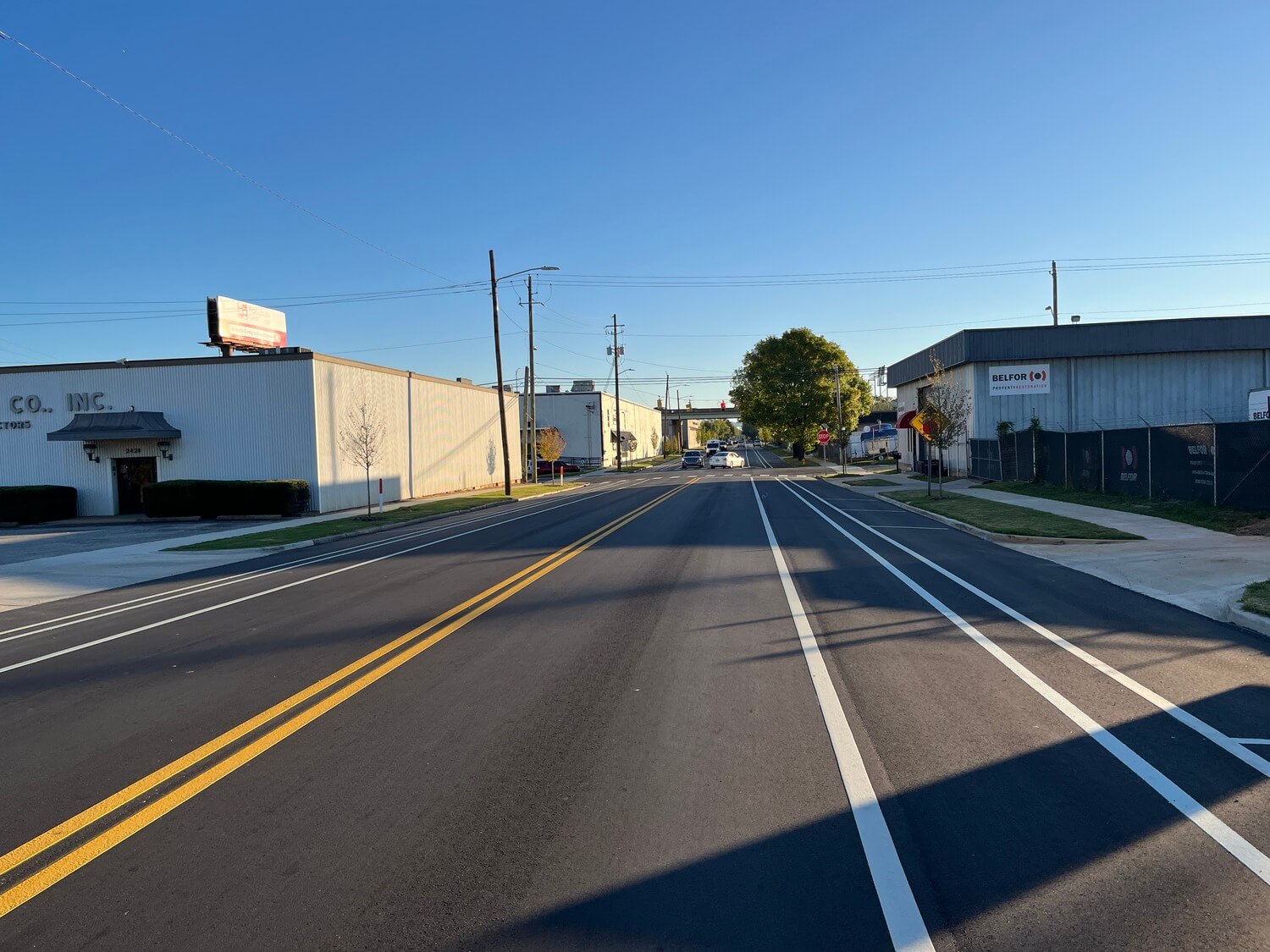
When something is being taken away, it doesn’t always sound positive, but as the saying goes, sometimes less is more. This proves true for road diets. When a lane is being taken away, the thought that “this will cause traffic delays” can set in, but it’s often not the case.
What is a road diet?
Road diets are strategies used by transportation engineers and planners to reduce the number of traffic lanes, smooth the flow of traffic and create a safer and more useful route.
Road diets repurpose existing road infrastructure to make a variety of improvements. These improvements can include multimodal amenities such as sidewalks, shared use paths or bike lanes. Creating a middle lane is also a popular choice, which involves changing a four-lane road, with two lanes in each direction, into a three-lane road, with one lane in each direction and a shared center turn lane.
In all of these cases, because the road infrastructure already exists, these improvements can be added with minimal impact.
How are they safer?
Road diets aim to calm speeds and smooth traffic flow. When there are multiple lanes, drivers tend to speed, weave and pass each other to get to their destination faster. Road diets promote safety by providing the correct number of lanes for the traffic using the road. For example, many times, left-turning vehicles on a four-lane road can create safety hazards and traffic delays, so adding a center left turn lane can reduce crashes as well as delays.
Road diets can calm the flow of traffic and also provide dedicated space for pedestrians or cyclists, which improves their safety. Research notes that road diets can lower total crashes by 19 to 47 percent by removing weaving and passing lane conflicts, according to the Federal Highway Administration.
How are they planned?
Usually, the planning begins with identifying a candidate corridor. Planners will ask questions such as: “Is there a need to improve traffic safety?” or “Is a pedestrian need growing due to population growth and development?” or “Does a road diet fulfill direction that has been established in any master planning efforts for a given community?” If the answers to these questions are yes, then a community is well on its way to a successful road diet.
Traffic studies that show the amount of traffic on the road also play a huge role in helping to identify a potential road diet. If data shows the traffic demand does not require keeping or adding a lane, a road diet can be considered. Data from crash history is also studied to point to areas where a roadway could be safer. Data points that include traffic volumes and crash history are required for road diets, as the data reveals what a community needs.
Public involvement is also often part of the planning process for a road diet, since they will be the ones driving, walking and cycling on the roads. Additionally, this engagement can help to calm their concerns, let their voices be heard and discuss improvements.
The decision to implement a road diet is made based on data collection and planning and differs for each community. For example, a very urban area with growing pedestrian needs would likely want to have pedestrian accommodations. A shopping or commercial area could steer towards on-street parking. An industrial area may have more of a need for freight accommodations, such as delivery/loading zones.
What does a road diet conversion look like?
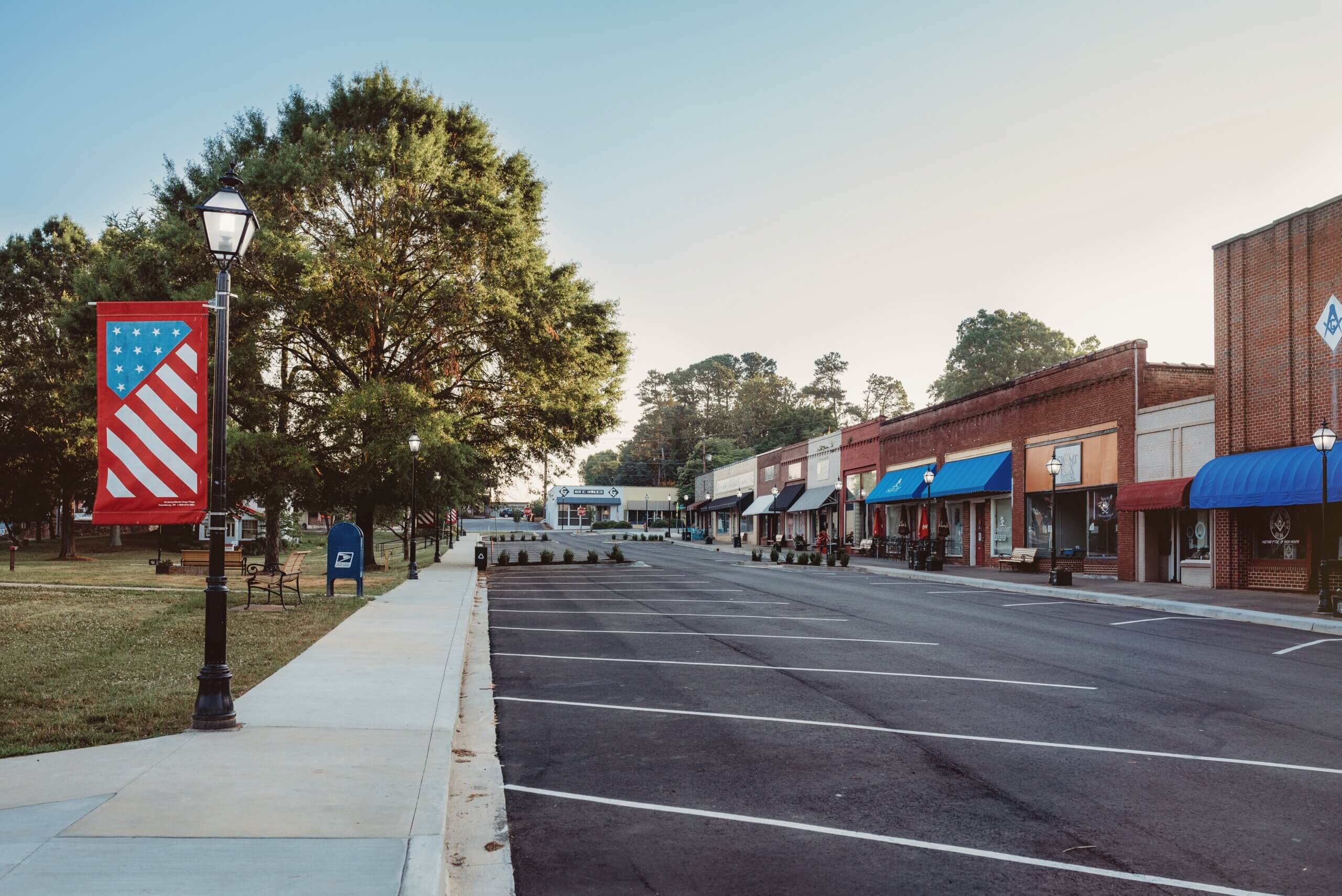
There are several ways that a road diet can be configured within an existing corridor. After planning and analysis show that a travel lane decrease would not hinder the needed traffic capacity, the additional space within the corridor can be utilized for other beneficial improvements.
Configurations could include dedicated multimodal lanes for bikes and buses, improved sidewalks or shared-use paths with potential for buffer space from vehicular traffic, these could even include aesthetic improvements with additional space for lighting and landscaping. These types of changes improve accessibility for pedestrians as well as improve safety through the traffic-calming effect of reduced/re-configured vehicular lanes.
Among the options already mentioned, the middle lane could also be used to provide landscaping or pedestrian refuge, such as more pedestrian crossing locations. Or on-street parking could be added if that were the need. Working with civil, landscape, planning and transportation disciplines, there are a variety of proven options that can be applied. As communities continue to grow and needs evolve, new ideas will continue to be explored.
Do they really reduce traffic?
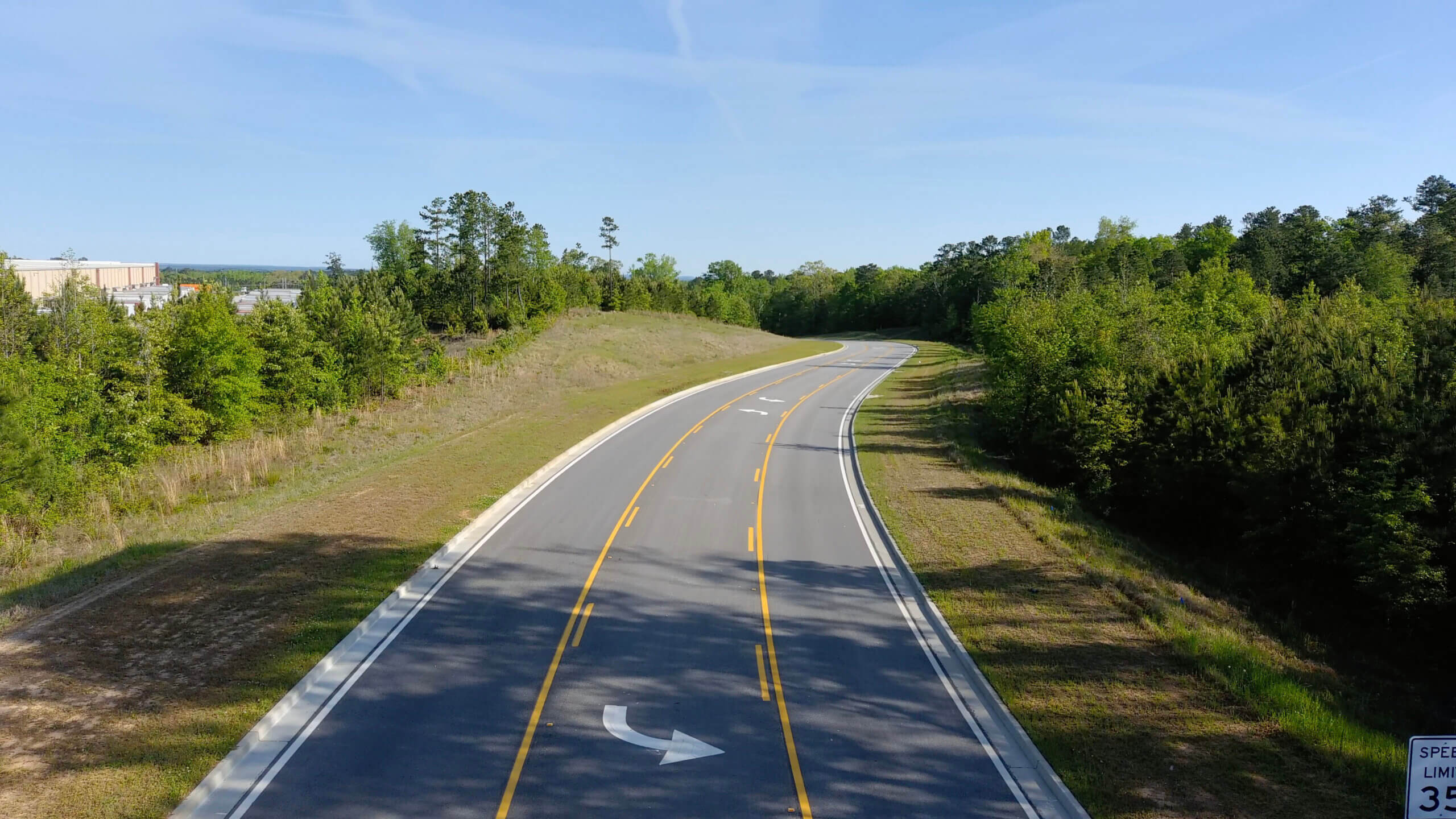
In most cases, going from four lanes to three lanes does not cause a difference in actual available traffic capacity. In fact, there is less weaving between lanes and traffic does not have to stop for left-turning cars stopping flow and contributing to accordion-type (stop-and-go-breaking) traffic. Road diets influence more consistent traffic flow in the lanes that are provided.
What are other benefits to road diets?
Road diets also encourage multimodal use and even reduce fuel consumption as people now have the option to use bikes, buses or walk depending on the conversion.
Ultimately, the decision to implement a road diet as a solution is one that requires understanding the roads, the data and what the community needs. What at first may be a cause for concern for citizens can actually lead to safer, more accessible and more vibrant streets.