

A guide to picking the right rural correctional facility site for long-term operational efficiency.
By Tim DeBuse, AIA, NCARB, LEED GA
Designing a correctional facility on a rural site involves far more than selecting a parcel of land and enclosing it with a secure perimeter. Site selection is a foundational decision that shapes everything from operational efficiency and long-term costs to staff recruitment, inmate well-being and community relations. Rural locations offer clear advantages but they also can present challenges that must be carefully evaluated. A thoughtful approach to site selection is critical when considering a rural site for a correctional facility.
Reviewing Location & Accessibility
One of the first challenges in rural site selection is balancing remoteness with accessibility. While correctional facilities benefit from being removed from dense urban centers, they cannot be functionally isolated. Staff, visitors, service providers and emergency responders must all be able to reach the site efficiently. A site that is 80 miles from the nearest community can pose a real challenge.
Distance to hospitals and medical services is crucial. Long travel times for inmate transport or medical emergencies can introduce operational risks and increase costs. Staff and inmates need to have access to critical care, if needed. A rural site that appears ideal on paper may prove impractical if it adds hours to necessary and routine logistics.
It is also vital to evaluate the site’s proximity to a main road or major roadways, ensuring that these can handle daily traffic volumes that the facility will create. A site on or near a main road is a major upside for staff, visitors and others who will be regularly entering and exiting the facility.
The land surrounding the site and its context also bears a significant weight. Adjacent land uses should be compatible with the facility and the security needs. Agricultural land or undeveloped areas are generally preferable to industrial zones with high traffic or transient populations.
Ideal Physical Site Characteristics
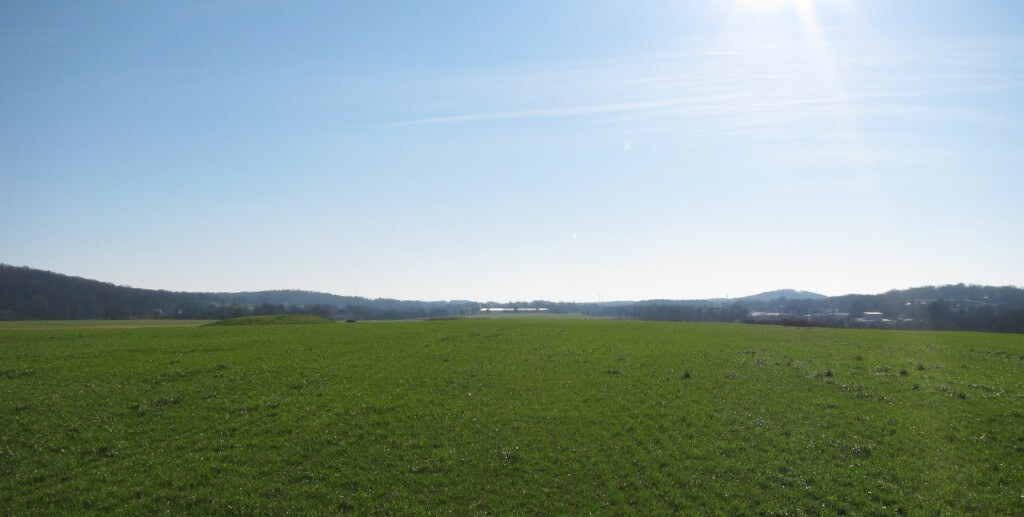
Another characteristic of the site that cannot be overlooked is the actual plot of land, the site itself. The ground the correctional facility is built on should fit a few requirements. For example, flat or gently sloping terrain is typically preferred for construction and long-term security because it simplifies grading, reduces construction costs and allows for clear sightlines. The soil type is essential as well. Poor soil conditions may require remediation, further increasing the costs of the site.
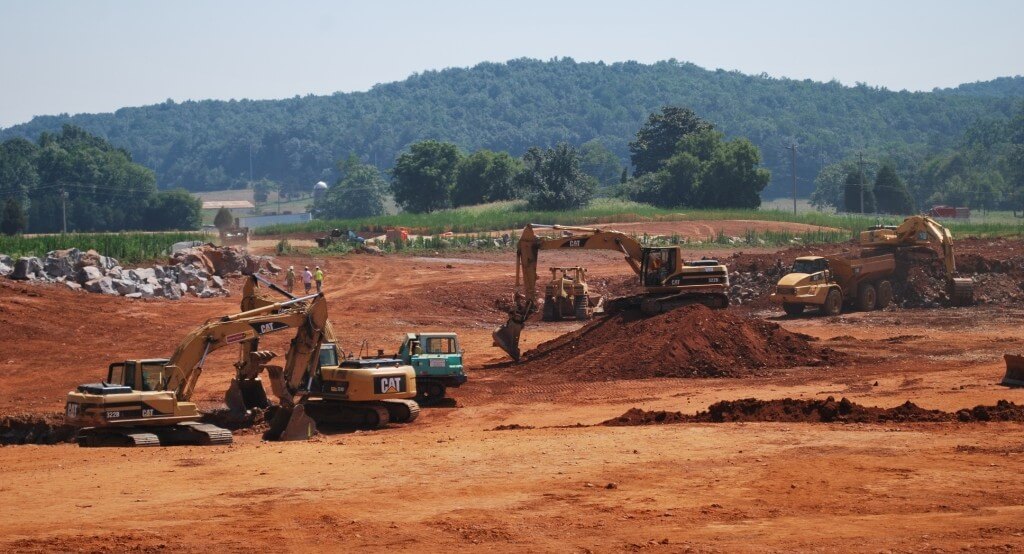
The size of the land also must be considered. Typically, rural jails are large and require a substantial footprint. In addition to needing a large space for the facility itself and the programming that will take place inside, there must also be enough land to include a buffer zone. Necessary buffer zone sizes vary by facility type but a 100-foot buffer zone (at a minimum) makes for an ideal security perimeter around the site.
Correctional facilities are long-term investments, expected to operate for decades. A rural site should be evaluated not just for current needs but for its capacity to accommodate future expansion or programmatic changes. This includes space for additional housing units, support buildings and facility upgrades. The site layout should allow for phased development without disrupting ongoing operations.
Evaluating Utilities and Infrastructure
Another issue that often arises with rural sites is the lack of utilities and infrastructure. Sites that have utilities or can easily allow for utilities to be established are key. Water, sewer, power and gas are necessary for everyday life and especially for a corrections facility. Rural sites often lack the robust infrastructure found in urban environments, making this a critical evaluation category. The cost of extending utilities to a remote site can quickly offset any savings from low land prices, making early coordination with utility providers essential.
Not only do these sites need basic power services, but reliable power is also non-negotiable for prisons. Due to demand and security, corrections facilities require redundant systems, meaning backup generators and potentially supplementary strategies to ensure uninterrupted operation.
In addition, telecommunications infrastructure is increasingly important, supporting security systems, administrative functions and controlled inmate communication technologies. Especially as technology continues to evolve, sites will need to be able to adapt and have the necessary capacity to manage threats. Ensuring robust and adaptable infrastructure is essential for rural facilities to operate safely, efficiently and in step with modern standards.
Community and Operational Factors
Last, but certainly not least to be considered, are the community and operational aspects of a rural site. In some instances, these factors may present the most challenges but with the proper strategies in place, the community can see the benefits and the economic impact.
Correctional facilities can often face opposition due to concerns about safety, property values and environmental impact. Early engagement with local stakeholders is key and can help address these concerns and build support
Additionally, rural areas can be difficult locations from which to recruit the necessary workforce. To combat this, consider the quality of life for both the people who will be building the facility and for those who will eventually work on the site. There must be access to housing and public services. Having housing, schools, healthcare and retail services in the general proximity of the site is essential to ensuring a strong and accessible workforce.
Selecting a rural site for a correctional facility is a complex process that requires balancing many independent factors. A rural site may seem like it’s nothing more than an isolated plot of land, but it’s much more than that. It has the potential to be a transformative piece of land that shapes every aspect of the future facility’s design and operations.
By carefully evaluating location, accessibility, infrastructure, security and community context, designers and other decision-makers can help to ensure that rural correctional facilities are not only secure and efficient but also adaptable and responsible components of their broader environments.