

Imagine standing in a flat, blank, grassy field. There is no infrastructure in sight, just green grass as far as the eye can see. This is the reality of the beginning of greenfield airports.
Fitting the name, they all start with just that, a green field. Before the first runway is paved or the terminal is sketched, there is just quiet. At these sites, there is so much potential and at the same time, infinite responsibility. It’s not often that an airport is constructed from the ground up, it’s a unique opportunity that takes plenty of hard work and even more coordination.
What is a greenfield airport?
The true definition of a greenfield airport is a completely new airport constructed on previously undeveloped land, often referred to as a clean slate. Unlike typical airport projects, which involve expanding or upgrading existing airport facilities, greenfield airports are built from scratch, with no pre-existing infrastructure or constraints.
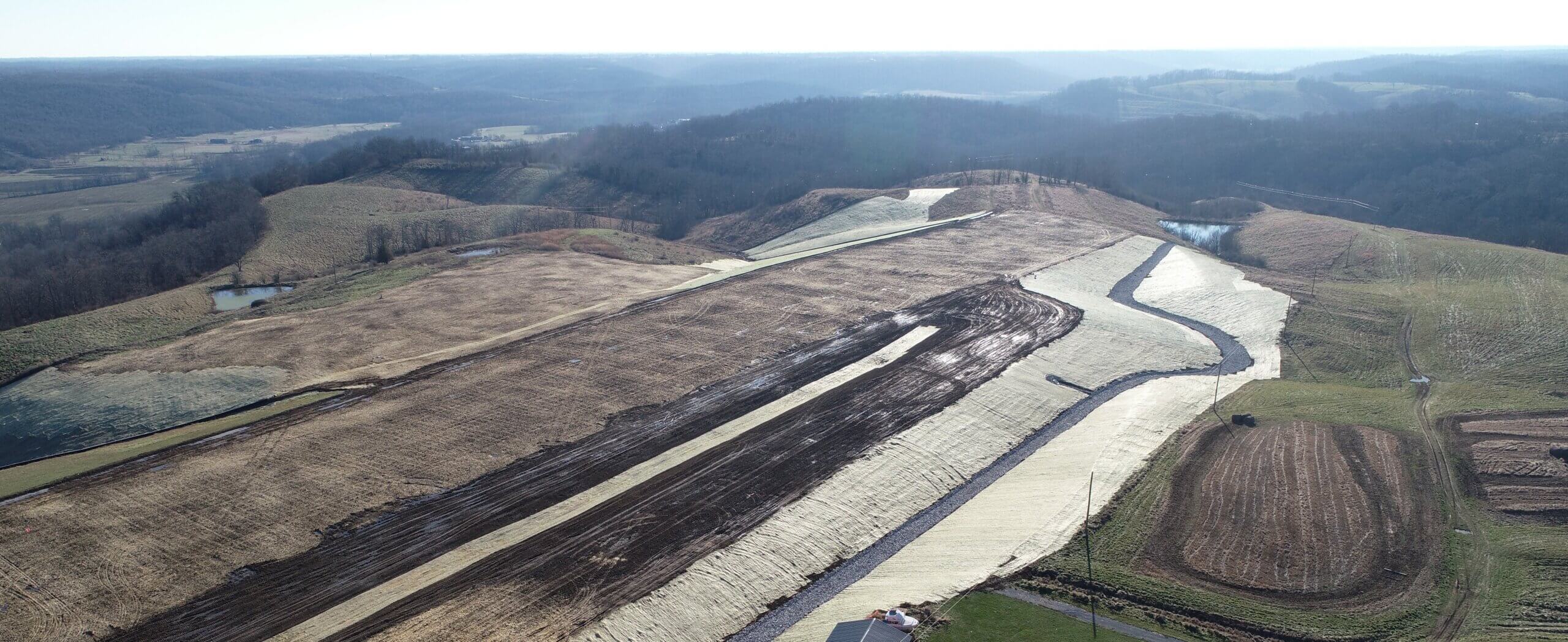
This approach allows for the integration of the latest technologies, innovative design solutions and optimal layouts for runways, taxiways, terminals and support facilities. Unlike aging systems, capacity constraints and the high cost of retrofitting infrastructure, the greenfield approach creates a more efficient, operationally resilient airport.
To take advantage of these potential outcomes, proper planning is a must. Greenfield airports typically involve comprehensive site selection, environmental assessments, master planning, design and construction, all while coordinating closely with regulatory agencies such as the FAA to ensure compliance and address airspace, environmental and community considerations.
Multidisciplined approach
Due to the complexity of greenfield airport projects, they require a multidisciplinary approach that spans feasibility studies, land acquisition, environmental permitting and the design and construction of all essential airport components. All entities work together to design an airport that will benefit the community for years to come. This coordination from the beginning is vital to building new access roads, bringing utilities to the site and creating flight paths from grassy fields.
Advantages
One of the many advantages of a greenfield site is the ability to tailor the airport to current and future aviation needs. The airport can be designed for the future as aircraft evolve and as systems become more advanced or automated, all to protect against obsolescence. Through the greenfield process, sustainability can also be emphasized and utilized from the initial design. Looking toward the future of the industry leads to lower operating costs, lower impact designs and getting it right the first time instead of retrofitting aged systems.
In addition, greenfield airports positively impact economic development and enhance regional connectivity without the limitations typically imposed by existing structures or operational disruptions. Greenfield airports are often used to address congestion of older, urban airports by offering alternative routes with an emphasis on fostering regional growth and improving connectivity.
Our expertise
GMC is recognized as an expert in the planning, design and construction of new general aviation airports, with a proven track record of delivering successful greenfield airport projects. Our experience includes the development of 12 new general aviation airports, and the team is currently working on all the new federally funded greenfield airports planned in the continental United States.
Notable projects include the Cleveland Regional Jetport (TN), Southwest Alabama Regional Airport (AL), Gallatin County Airport (KY) and Deep Woods Airport (FL). For each of these projects, GMC’s team provided end-to-end services, from feasibility and site selection through environmental review, master planning, design and construction administration.
Our team can take any new airport project from inception through planning and land acquisition to design and construction. In fact, every new airport that GMC has been involved with has been successfully designed and constructed. Read some of our greenfield success stories below.
Cleveland Regional Jetport | Cleveland, TN
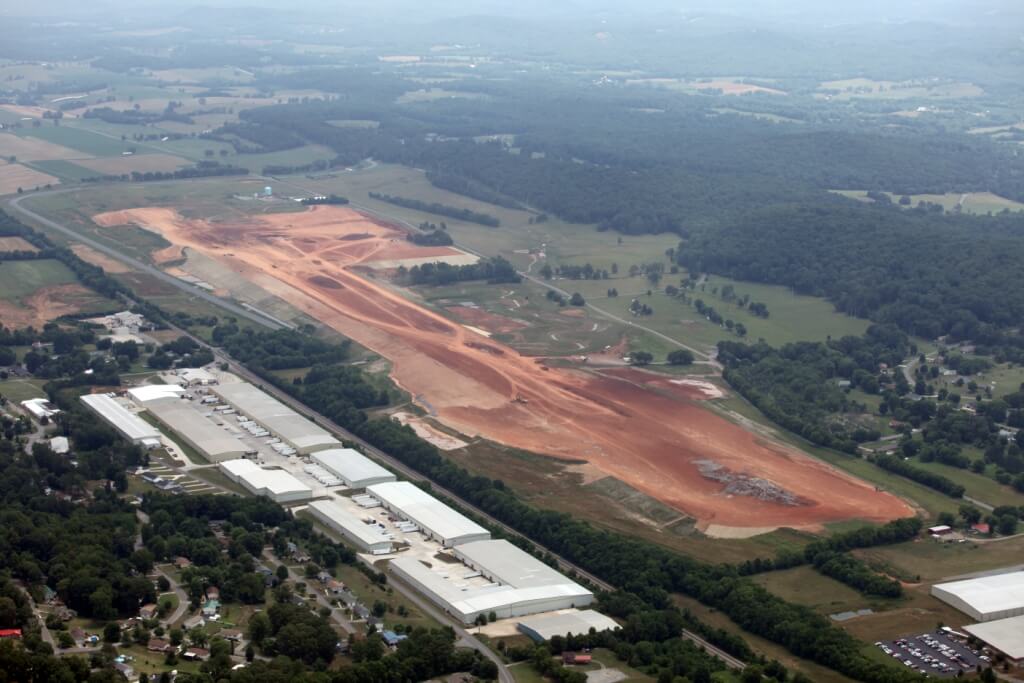
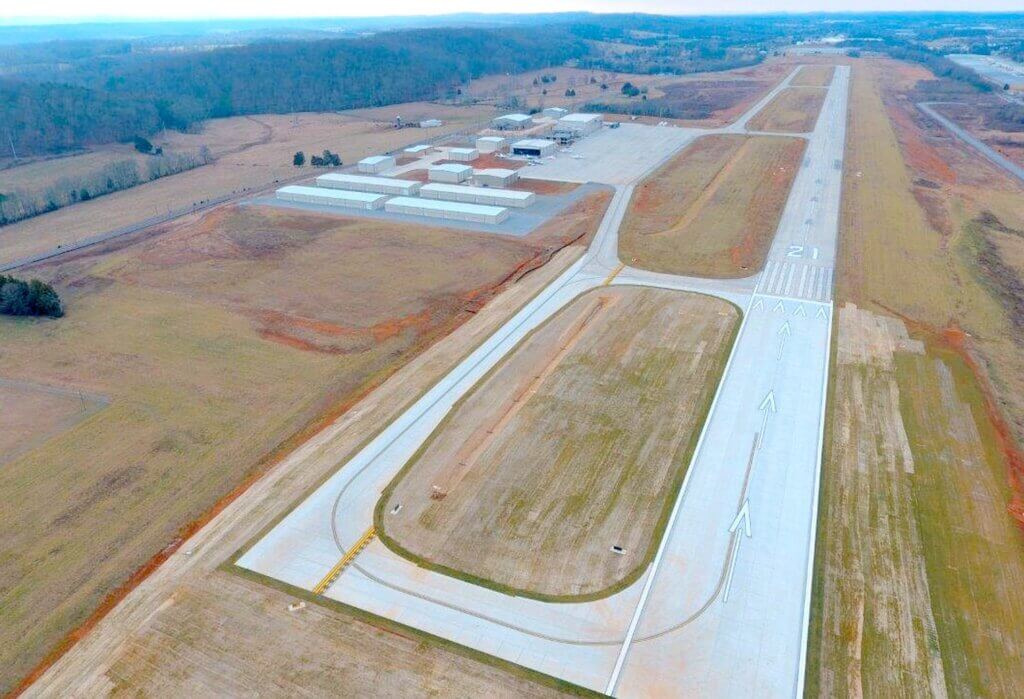
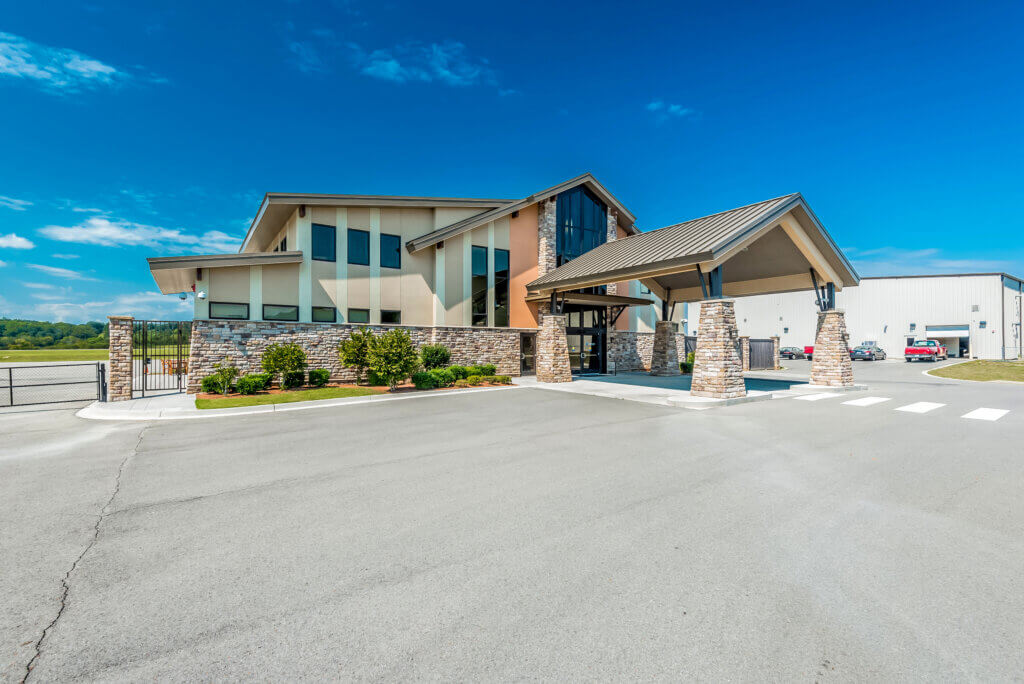
When GMC was originally selected in Cleveland, TN, the airport authority had been striving for over 30 years to construct a new airport to replace its existing facility. In 2006, the Cleveland Municipal Airport Authority selected GMC to provide final design and construction supervision services for a period of five years. GMC has been providing aviation consulting services to the airport ever since.
Officially open for business in January 2013, the entirely new airport has been a valuable asset to the city of Cleveland. Over the years, the airport has seen an increase in both arriving and departing air traffic. The airport continues to evolve as the region’s premier airport by serving the flying needs of the community.
Southwest Alabama Regional Airport | Thomasville, AL
Announced by the FAA in November 2019, the future Southwest Alabama Regional Airport in Clarke County will become a new Alabama airport included in the FAA’s National Plan of Integrated Airport Systems (NPIAS), providing critical aviation access to one of the largest geographic regions in the state, including Washington, Clarke and Monroe Counties.
The airport will strengthen transportation infrastructure in rural southwest Alabama by supporting industrial recruitment, corporate travel and broader economic expansion in a region already anchored by strong forestry, agriculture and manufacturing industries. GMC was selected as the consultant of record and is progressing this important economic development project by the full engineering design of the airport as part of the FAA/ALDOT FY26 Airport Improvement Program Grant.
Gallatin County Airport | Sparta, KY
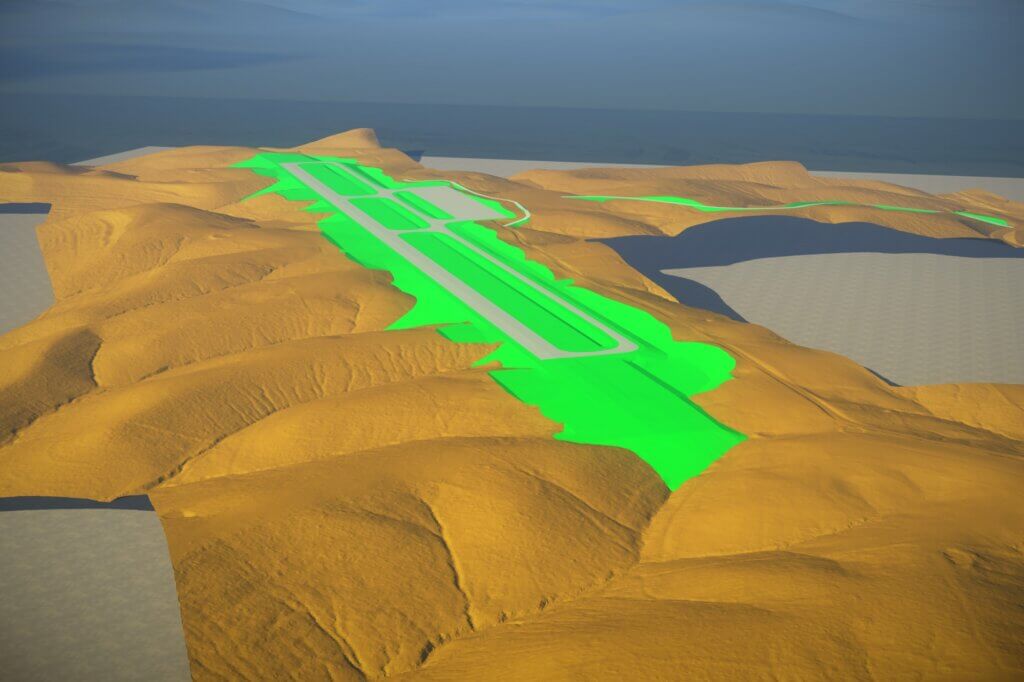
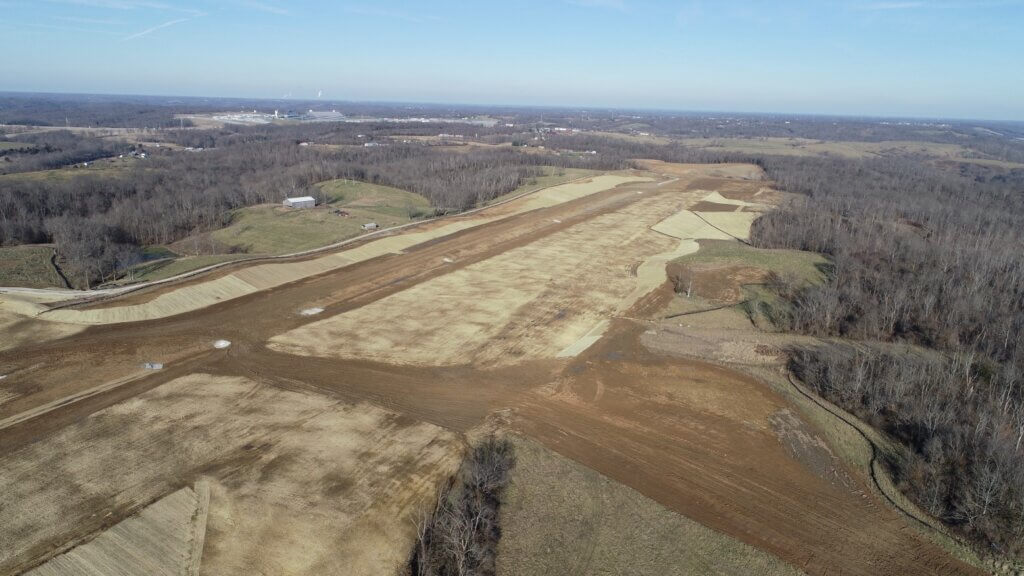
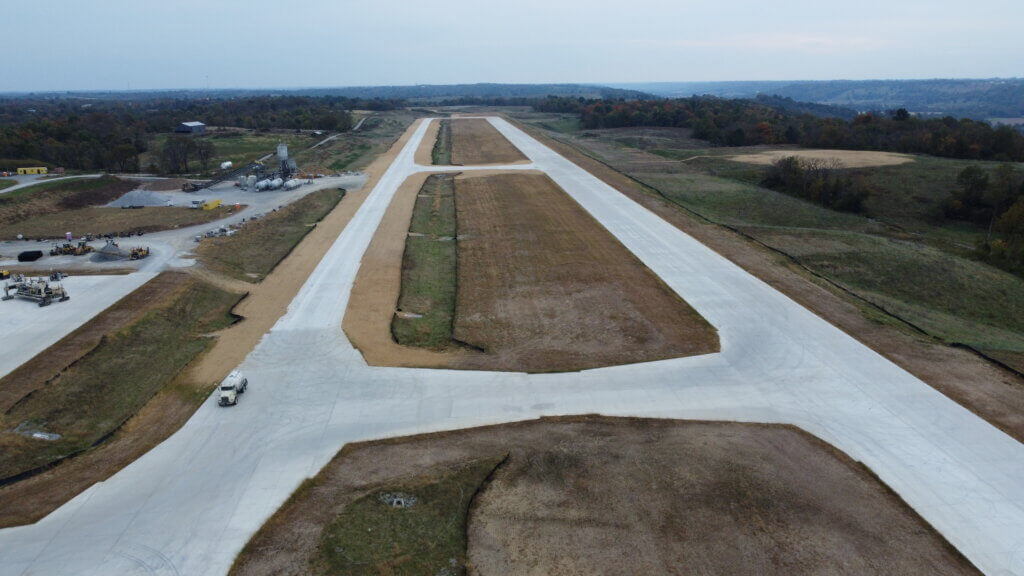
GMC has been providing planning, design and construction phase services to Gallatin County for a variety of projects since 2010. GMC was selected to assist in the design of a new general aviation airport to serve various businesses and industries in the northern Kentucky area.
The team also provided services for several projects at the airport, including an environmental assessment of the 500-acre site for a new general aviation airport, an ALP, assistance with land acquisition and preparation of preliminary engineering for the new airport. The 5,000-foot runway was officially added to the FAA’s open airport list in June 2023. The project was funded by federal, state and local funding.
Deep Woods Airport | Daytona, FL
GMC was selected by a major aviation-focused university to conduct a preliminary planning study and due diligence for a new flight training airfield. The study assessed site conditions, flight training needs and developed a preliminary layout and cost estimate. Despite challenges such as space constraints, wetlands and limited utilities, GMC created a phased, cost-effective development plan.
Following approval, GMC began design and bidding services, including survey, geotechnical and environmental work, runway and taxiway design, grading, drainage and erosion control. Design services are currently underway for the new airfield.
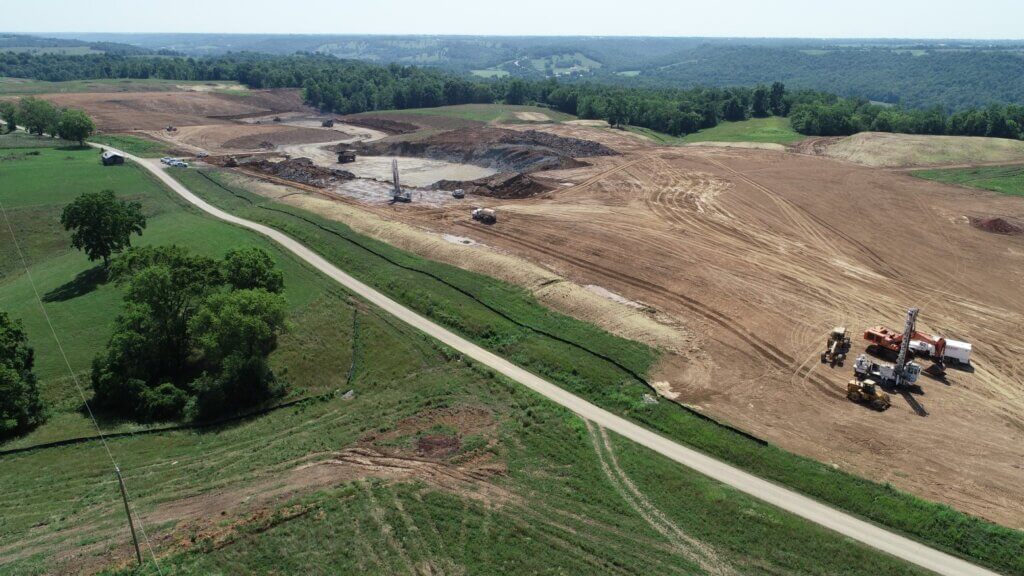
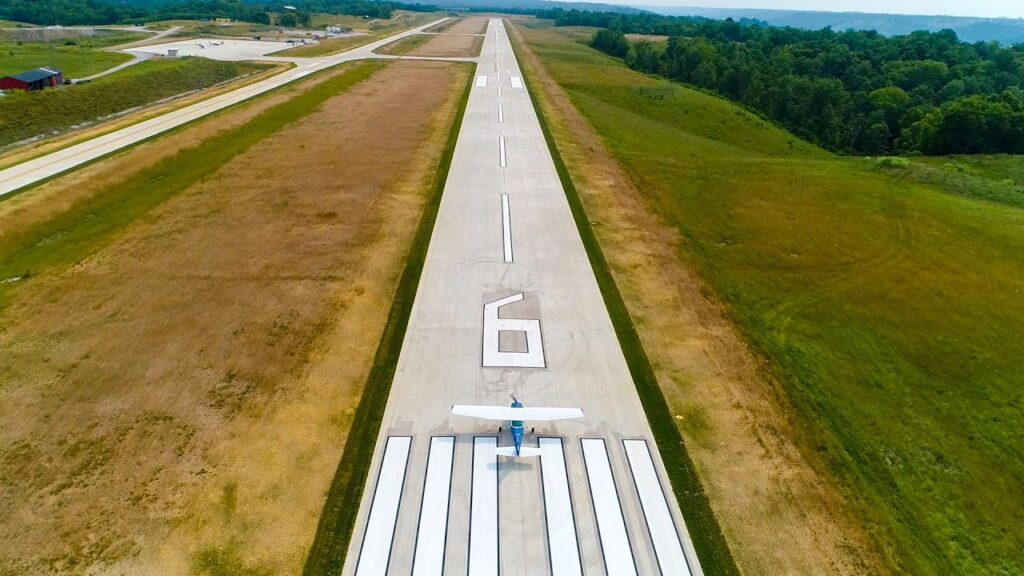
Through each project, our aviation team brings together award-winning civil engineering, architectural, environmental, geotechnical and surveying expertise, all in-house, to deliver creative solutions and exceptional client service. This holistic perspective, informed by decades of experience and a deep understanding of regulatory and operational requirements, ensures that every greenfield airport project is positioned for long-term success and community benefit.
Greenfields may start as a simple clean slate, but they evolve to have tremendous opportunity with impacts that can shape a region for generations.